
The journey of gambling from ancient rituals to modern casinos
The Origins of Gambling: Ancient Rituals and Beliefs
The roots of gambling can be traced back thousands of years to ancient civilizations, where it was often intertwined with religious rituals and communal activities. Archaeological findings suggest that as far back as 3000 BC, the Chinese were using rudimentary dice made from bone, while similar artifacts have been discovered in other cultures, including the Mesopotamians. These early forms of gambling were not solely about chance; they often held significant spiritual meanings, believed to invoke the favor of the gods. As players engage with games today, like the popular aviator india, they may feel echoes of those ancient traditions.

In many ancient societies, gambling was seen as a way to connect with the divine. For instance, the Romans incorporated games of chance into various celebrations, viewing them as a means to seek guidance from their deities. Moreover, the Greeks used betting on athletic competitions as a form of worship during the Olympic Games. Such practices highlight that gambling was not merely a pastime but a serious cultural activity that provided both entertainment and a spiritual connection to the universe.
These early rituals laid the foundation for the games we know today, as they were often communal in nature. They brought people together, fostering social bonds through shared experiences of victory and loss. This aspect of gambling as a social activity has persisted through the ages and remains a significant part of the modern casino experience.
The Evolution of Gambling Through the Middle Ages
As societies transitioned into the Middle Ages, gambling underwent notable changes. The rise of feudalism brought about new social hierarchies, and gambling became a favored pastime among the nobility. Games such as chess and dice gained popularity within royal courts, where they served not just as entertainment but also as a way to demonstrate strategic thinking and social status. These games often had rules that evolved over time, becoming more structured and formalized.
During this period, gambling also faced criticism from religious institutions. Many viewed it as a sinful activity that could lead to moral decay. Yet, the allure of gambling could not be easily suppressed. Various regions began establishing laws to regulate the activity, paving the way for more organized forms of betting and the first official gambling establishments, such as gaming houses. These venues began to function as social hubs where individuals from various backgrounds could engage in games of chance.
By the end of the Middle Ages, gambling had transformed from a ritualistic practice into a more structured social activity. This shift set the stage for the emergence of modern games and the eventual rise of casinos. The combination of regulation and social acceptance began to create a more accessible environment for gambling, leading to the development of a more extensive gambling culture.
The Birth of Modern Gambling: The Rise of Casinos
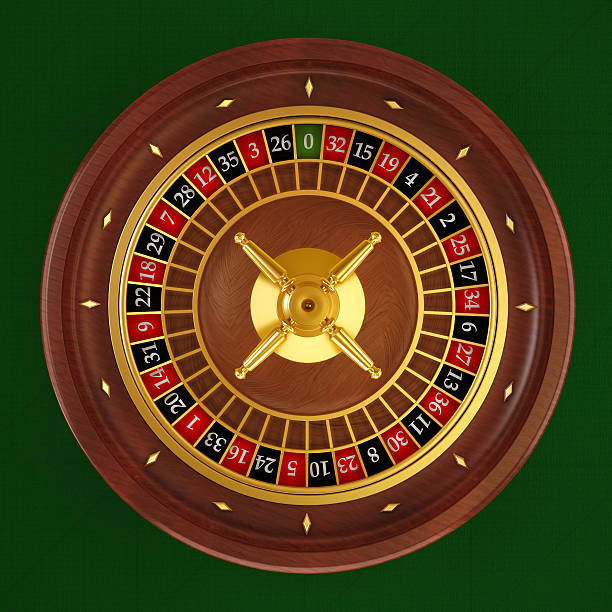
The 17th century marked a significant turning point in the history of gambling with the establishment of the first official casinos. The Casino di Venezia in Italy, founded in 1638, is widely recognized as the oldest gaming house still in operation. As the popularity of casinos grew, so did the variety of games offered, including baccarat, roulette, and poker. This period saw the codification of rules and the emergence of betting systems that players still use today.
The Enlightenment brought about a renewed interest in human behavior and probability, leading to mathematical advancements that influenced gambling strategies. Figures like Blaise Pascal and Pierre de Fermat laid the groundwork for modern probability theory, which has since become fundamental to gaming strategies. This scientific approach to gambling allowed players to calculate odds and make informed decisions, enhancing the overall experience.
By the 19th century, the proliferation of casinos across Europe and America transformed gambling into a mainstream entertainment option. The glitz and glamour associated with these establishments began attracting not just the affluent but also the average citizen. Las Vegas emerged in the 20th century as the epicenter of modern gambling, characterized by extravagant resorts and vast entertainment offerings that redefined the casino experience.
The Digital Transformation of Gambling
The late 20th and early 21st centuries witnessed a technological revolution that profoundly impacted the gambling landscape. The advent of the internet opened new avenues for gambling, leading to the emergence of online casinos and betting platforms. This shift allowed players to engage in their favorite games from the comfort of their homes, breaking down geographical barriers and expanding the gambling audience globally.
Online gambling has introduced innovative gaming experiences that traditional casinos struggle to replicate. Live dealer games, for instance, offer an immersive experience where players can interact with real dealers via video streaming, merging the online experience with the authentic atmosphere of a physical casino. Moreover, the rise of mobile gambling has made games accessible on smartphones, further democratizing the activity.
However, this digital transformation also brings challenges, such as concerns over regulation, responsible gambling, and addiction. As the industry evolves, regulatory bodies are grappling with ensuring player protection while promoting fair play. The combination of technological advancements and stringent regulations will likely shape the future of gambling, continuing to bridge the gap between ancient rituals and modern practices.
The Role of Modern Gambling Websites
As the gambling industry continues to evolve, modern gambling websites have become key players in shaping the experience of online gaming. These platforms offer a diverse array of games that mirror the excitement of traditional casinos. From classic table games to innovative online slots, players can find everything they need to enjoy a thrilling gambling experience. Many of these websites are designed to be user-friendly, ensuring an engaging experience for both novices and seasoned players alike.
Moreover, modern gambling sites often emphasize community, creating vibrant online communities where players can share strategies, participate in forums, and engage in multiplayer games. This social aspect adds a new dimension to online gambling, allowing players to connect with others who share their interests, similar to the communal aspect of ancient rituals. With the introduction of social gaming features, players can enjoy a more interactive experience that enhances their overall enjoyment.
In conclusion, as we reflect on the journey of gambling from its ancient origins to its modern manifestations, it is clear that the industry has continually adapted to societal changes and technological advancements. Today’s gambling websites not only provide entertainment but also foster connections among players, ensuring that the spirit of community and chance remains at the forefront of the gambling experience.

Leave A Comment