
The Role of Luck in Gambling
Luck is often viewed as a critical element in gambling, especially in settings like casinos where games of chance dominate. Many players believe that luck significantly influences their success at the gambling table, playing an essential role in the outcomes of various games, including slots, roulette, and blackjack. For example, a player might hit a substantial jackpot on a slot machine seemingly by chance, leading them to feel that fortune smiled upon them at that moment. This belief in luck adds a layer of excitement and suspense to the gambling experience, making it far more engaging for participants who might also enjoy exploring australian online casino options beyond traditional venues.
Moreover, luck can deeply affect a player’s psyche, often shaping their decisions and betting behavior. A player who experiences a winning streak may feel an invincible boost in confidence, prompting them to place bets that exceed their normal comfort levels. This scenario showcases a cognitive phenomenon known as “the gambler’s fallacy,” where players mistakenly attribute their successes to luck, which can lead to inflated confidence and ultimately increased risks in hopes of replicating that perceived favorable outcome.
It is essential to recognize that while luck can drive short-term wins, it does not change the underlying mathematical probabilities that govern each game. Each gambling event has a built-in house edge, meaning that, over time, the casino is more likely to profit. Therefore, seasoned gamblers typically combine their understanding of gaming strategies with the acknowledgment of luck, enabling them to enhance their potential for long-term success rather than relying solely on chance.
The Impact of Randomness
Randomness is a cornerstone of gambling games. In a casino environment, games are intentionally designed to be unpredictable, creating an illusion that players can influence outcomes through their skill or choices. For instance, in roulette, once the ball is in motion, its eventual resting place is entirely determined by chance. Players often devise various strategies or systems to predict where the ball will land based on previous spins, but each spin remains an independent event, underscoring the idea that luck is a crucial driving force.
The mechanics of randomness are rigorously modeled in casino games through the use of random number generators (RNGs). These systems ensure fair play by producing outcomes that are entirely unpredictable. This technology illustrates how luck operates within a structured environment, granting all players an equal opportunity to win or lose based purely on chance. As a result, even though players may feel they can steer the outcomes through their choices, the inherent unpredictability of the games reinforces the dominance of luck.
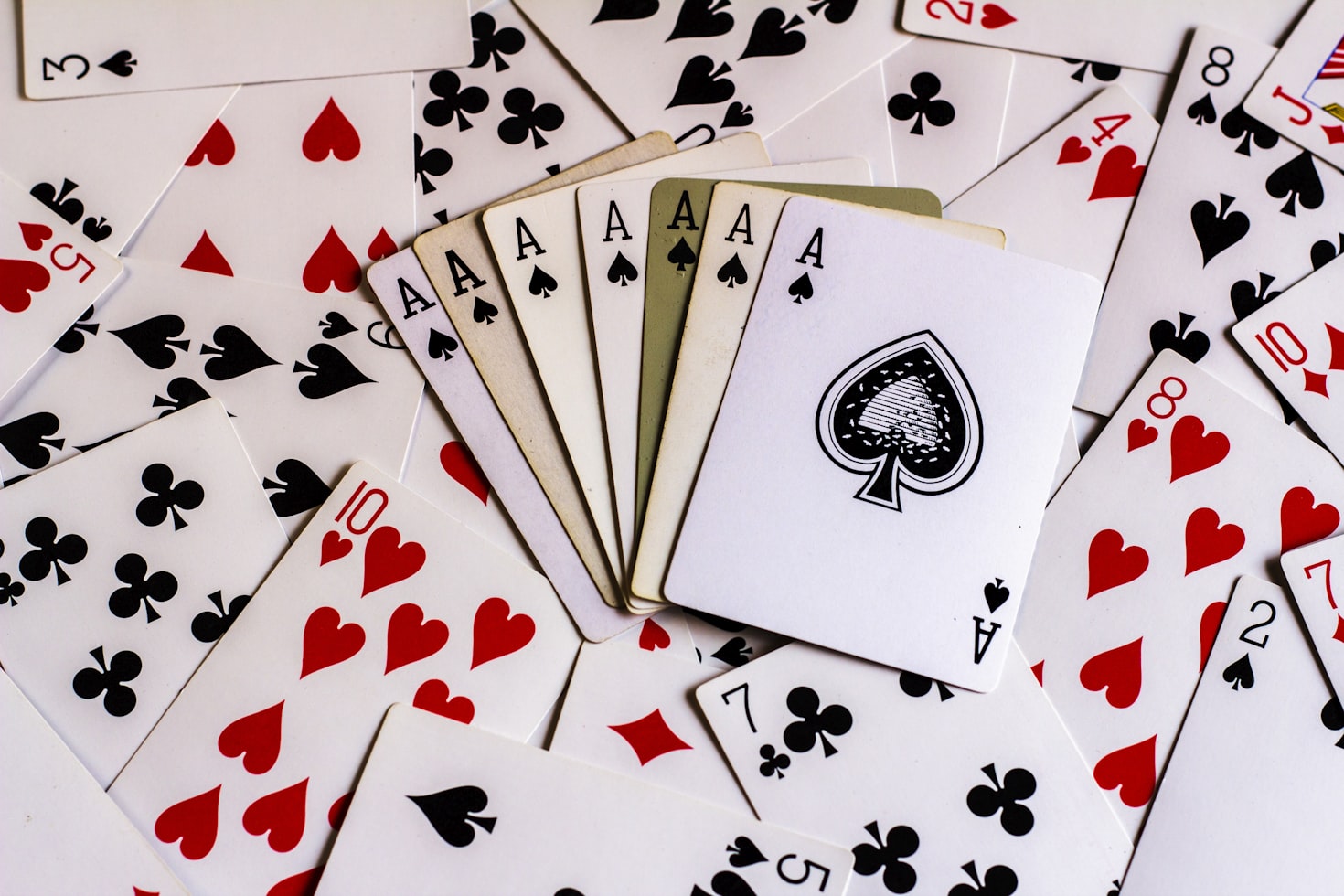
Grasping the implications of randomness can help players set realistic expectations. While many chase the thrill of lucky streaks, it is important to understand that luck can shift rapidly. Players who appreciate the randomness of outcomes may develop more responsible gambling habits, effectively managing their betting strategies and avoiding the traps of chasing losses fueled by misplaced beliefs in luck.
The Psychological Aspect of Luck
The belief in luck extends beyond individual game outcomes; it significantly influences gamblers’ psychological behaviors. Many players link their wins and losses to luck, a cognitive bias that can shape their gambling choices. This belief often leads to the development of superstitious habits, such as wearing ‘lucky’ clothing or performing specific rituals before placing bets, which they believe might enhance their luck and influence the game’s outcome.
This psychological connection to luck can create a cycle wherein players seek environments or situations they associate with past good fortune. For example, a player who won a significant amount at a particular casino may be drawn back to that location, hoping that their previous luck will somehow repeat itself. While this inclination can enrich the overall gambling experience, it can also cloud judgment and lead to harmful behaviors, such as wagering more than intended based on an over-reliance on luck.
Furthermore, the interplay between luck and psychological factors can significantly impact how individuals handle losses. Players may rationalize defeats as a mere matter of bad luck, rather than recognizing potential flaws in their strategy, which can lead to repeated gambling attempts. This mindset can foster a dangerous cycle, contributing to gambling addiction, as individuals may continue to chase their losses, fueled by the hope that luck will eventually turn in their favor.
The Role of Strategies Against Luck
While luck undeniably plays a significant role in gambling, many players employ strategies to enhance their chances of success. A solid understanding of odds and game mechanics can provide a stronger foundation for decision-making than relying solely on luck. For instance, in blackjack, players who grasp basic strategy can significantly reduce the house edge, thereby increasing their chances of winning over time, even though luck still influences the immediate outcome of each hand.

In poker, the emphasis on skill and strategy often outweighs that of luck, as the game’s dynamics revolve around reading opponents, effectively managing one’s chip stack, and employing bluffing techniques. Successful poker players use a blend of mathematics, psychological insight, and experience, illustrating that while luck can play a role in short-term outcomes, long-term success is more reliant on skill and strategy than on chance alone.
Moreover, being knowledgeable about the odds and payouts associated with various games can empower players to make informed decisions that help cushion the unpredictable nature of luck. With thorough research and practice, players can develop a nuanced understanding of how to better their gameplay, effectively striking a balance between the unpredictable aspects of luck and calculated strategies.
Exploring More About Casino Dynamics
Understanding the complex relationship between luck and gambling success not only benefits players but also sheds light on the broader dynamics of casinos. These establishments thrive on the intrinsic unpredictability of gambling, where luck can attract players, elevate excitement, and ultimately drive financial gains. Marketing strategies often capitalize on stories of fortunate winners, reinforcing the allure of gambling as an opportunity for wealth, which keeps players engaged and hopeful about their luck.
Additionally, casinos frequently implement techniques such as comp programs, bonuses, and jackpot incentives to maintain players’ hopes that their luck could change in their favor. These strategies create an environment where players feel that winning is within their reach, which enhances their emotional connection to gambling. Understanding this dynamic allows players to navigate their gaming experiences more consciously and responsibly, ensuring they can enjoy gambling without falling prey to unrealistic expectations.
Ultimately, while luck undeniably influences gambling success, it is crucial for players to comprehend its limitations and the importance of strategic thinking. Balancing hope with realistic expectations can transform gambling from a mere game of chance into a more enjoyable and informed experience. For anyone looking to delve deeper into the world of gambling, educational resources on strategies and psychology can offer valuable insights to enhance the gaming experience in a sensible and responsible manner.
